


The Digital Pulse of Mixology: More Than Just Information
The Digital Pulse of Mixology: Beyond the Loading Screen
In the modern era of hospitality, we often find ourselves at the intersection of tradition and technology. When we talk about "fetching site information" in the context of a platform like Skybar25, we are not merely discussing the retrieval of data from a server. We are witnessing the digital transformation of an ancient craft. For the modern bartender or mixology enthusiast, the act of seeking knowledge has moved from the stained pages of a physical ledger to the instantaneous glow of a smartphone screen. Yet, in this transition, we must ask ourselves: what is the deeper meaning of the information we consume?
While anyone can fetch a list of ingredients, mastering the essentials of drink structure provides the foundational wisdom needed to create truly balanced and memorable cocktails.
Reflecting on our journey through mixology, it becomes clear that information is the raw material, but wisdom is the finished cocktail. While a search engine can fetch a recipe in milliseconds, it cannot fetch the intuition required to adjust a drink for a guest having a difficult day, nor can it replicate the muscle memory of a perfectly executed stir. As we navigate the digital archives of bar knowledge, we must be careful not to mistake the map for the territory.
The Shift from Oral Tradition to Digital Archives
For centuries, the secrets of the bar were passed down through whispers and apprenticeships. Knowledge was a communal treasure, earned through hours of service and the quiet observation of masters. Today, the democratization of information has broken down those barriers. Anyone with an internet connection can access the ratio of a classic Negroni or the chemical properties of citric acid. This accessibility is a gift, but it carries a weight of responsibility.
When we "fetch information" today, we are tapping into a global collective of bartenders. We are no longer limited by the books on our physical shelves. However, this abundance can lead to a paradox of choice. In a world where every recipe is available, the challenge shifts from finding the information to discerning its quality. We must look at digital insights not as a replacement for experience, but as a catalyst for deeper exploration. The true value of a platform like Skybar25 lies not just in the data it provides, but in the reflection it encourages.
The Paradox of Information: Knowledge vs. Wisdom
There is a profound difference between knowing that a drink requires balance and understanding how that balance feels in the glass. We can read about the role of ingredients in modern mixology, and we can study why drink structure matters, but the implementation of that knowledge requires a level of introspection that a digital interface cannot provide.
Why Context Outweighs Content
Information without context is like a spirit without a soul. When we look up a historical cocktail, we aren't just looking for measurements; we are looking for the story of the era that birthed it. The digital pulse of the industry allows us to trace the evolution of flavor profiles across continents. It allows us to see how a bartender in Tokyo interprets a classic originally conceived in London. This context is what transforms a simple drink into a narrative experience for the guest.
The Five Pillars of Modern Bar Wisdom
As we continue to use digital tools to enhance our craft, we should keep in mind the elements that information alone cannot satisfy. These are the pillars that support the bridge between digital data and physical excellence:
- Intuition: The ability to read a room and a palate beyond what the recipe dictates.
- Empathy: Understanding that hospitality is about how a guest feels, not just what they drink.
- Technical Mastery: The physical discipline that turns information into a seamless performance.
- Historical Reverence: Respecting the origins of the craft while using modern tools to evolve it.
- Curiosity: The drive to look past the first page of search results to find the "why" behind the "how."
The Intangibles: What the Screen Cannot Teach
As we sit before our screens, "fetching site information" and absorbing the latest mixology insights, we must remember that the bar is a sensory environment. The sound of ice hitting the tin, the aroma of expressed citrus oils, and the weight of a heavy-bottomed rocks glass—these are experiences that remain stubbornly analog. The digital world provides the blueprint, but we are the builders. We take the cold data of a recipe and infuse it with the warmth of human connection.
Perhaps the most reflective aspect of our digital age is how it highlights our need for community. Even as we consume content individually, we do so to better serve the collective. We learn so that we can share. We fetch information so that we can offer something tangible to the person sitting across from us at the mahogany. The screen is a window, but the bar is the door.
Finding the Balance in a Data-Driven World
In conclusion, the evolution of bar knowledge from physical to digital is a testament to our enduring passion for the craft. Platforms like Skybar25 serve as vital hubs for this exchange, offering a space where mixology insights can flourish. But as we navigate these digital waters, let us remain introspective. Let us ensure that for every minute we spend fetching information, we spend an hour practicing our pour, tasting our ingredients, and engaging with our community.
The future of the bar is not found in a database, but in the synthesis of that data with the human spirit. When we look at our screens, we aren't just looking at text; we are looking at the combined wisdom of thousands of practitioners who came before us. It is our job to take that information and turn it into something that resonates, something that lingers, and something that truly matters.

Why Drink Structure Matters More Than Recipes
Recipes teach you what to make. Structure teaches you why it works. In modern mixology, understanding drink structure is far more valuable than memorizing ratios or following instructions line by line. Structure gives bartenders the ability to adapt, innovate, and maintain consistency—no matter the ingredients or setting.
This is the difference between copying cocktails and truly understanding them.
Recipes Are Fixed. Structure Is Flexible
A recipe locks you into specifics. Drink structure gives you a framework.
When you understand structure, you can:
- Substitute ingredients without losing balance
- Adjust for seasonality or availability
- Create new cocktails confidently
- Maintain consistency across variations
Structure is what allows creativity without chaos.
The Core Elements of Drink Structure
Most cocktails are built around a few fundamental components:
- Base spirit – the foundation and primary flavor
- Sweet element – softens alcohol and balances acidity
- Acid or bitterness – adds brightness or tension
- Modifiers – deepen complexity and finish
- Dilution – controls strength and texture
Once you understand how these elements interact, recipes become reference points—not rules.
Structure Protects Balance
Balance doesn’t come from strict ratios—it comes from understanding relationships.
Structure helps you recognize:
- When a drink is too sharp or too heavy
- How sweetness offsets bitterness
- Why certain spirits need more dilution
- How temperature changes perception
Bartenders who rely only on recipes struggle when conditions change. Those who understand structure adapt instinctively.
Consistency Comes From Systems, Not Memory
Professional cocktail programs depend on structure because it scales. Recipes alone fail when:
- Ingredients vary in strength
- Ice quality changes
- Glassware size shifts
- Volume increases
Structure provides a system that ensures quality across every pour.
Structure Enables Creative Freedom
Innovation without structure leads to imbalance. Structure gives creativity guardrails.
With structural understanding, you can:
- Build original cocktails confidently
- Reinvent classics intelligently
- Develop seasonal menus efficiently
- Maintain brand identity through flavor
The best modern cocktails feel effortless because the structure underneath is solid.
Why Professionals Think in Structure
Top bartenders don’t think in ounces—they think in profiles.
They ask:
- What role does each element play?
- How does this drink open, develop, and finish?
- Where does tension come from?
- What’s the intended experience?
This mindset separates craftsmanship from repetition.
Final Insight
Recipes are starting points. Structure is mastery. When you understand drink structure, you’re no longer limited by instructions—you’re guided by principles. That’s what allows modern mixology to remain creative, consistent, and timeless.
Structure turns cocktails into craft.
The Role of Ingredients in Modern Mixology
Modern mixology isn’t about excess. It’s about intention. The quality of a cocktail is determined long before it’s shaken or stirred—at the ingredient level. Understanding how ingredients function, interact, and elevate a drink is what transforms mixology from routine bartending into refined craft.
This guide explains the role of ingredients in modern mixology, clearly and without complication.
Ingredients Define the Cocktail’s Identity
Every cocktail tells a story, and ingredients are the language. The choice of spirit, citrus, sweetener, and modifier determines whether a drink feels bold, bright, restrained, or expressive.
In modern mixology, ingredients are selected not for novelty, but for:
- Balance
- Flavor clarity
- Consistency
- Quality
The fewer the ingredients, the more important each one becomes.
Base Spirits Set the Foundation
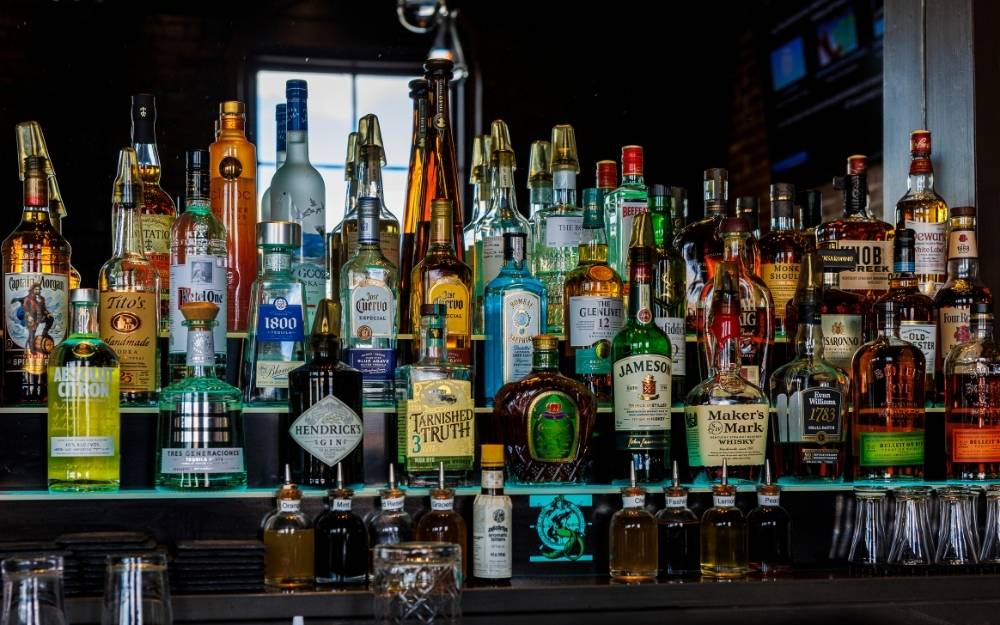
The base spirit is the backbone of the cocktail. Vodka, gin, rum, tequila, whiskey—each brings a distinct character that shapes everything that follows.
High-quality spirits offer:
- Clean structure
- Defined flavor notes
- Better balance with modifiers
- Smoother finishes
Modern mixology favors spirits with character, not neutrality.
Fresh Ingredients Drive Flavor
Freshness is non-negotiable. Citrus, herbs, fruits, and botanicals provide vibrancy that bottled substitutes simply can’t replicate.
Fresh ingredients contribute:
- Brightness and acidity
- Aromatic complexity
- Natural texture
- Visual appeal
When freshness fades, so does the drink’s integrity.
Sweeteners Balance, Not Dominate
Sweetness should support, not overpower.
Simple syrups, honey, agave, and flavored infusions serve to:
- Balance acidity
- Soften alcohol intensity
- Round sharp edges
In modern cocktails, sweetness is subtle and measured—never heavy-handed.
Bitters and Modifiers Add Structure
Bitters, vermouths, aperitifs, and liqueurs are the quiet architects of balance.
They:
- Connect flavors
- Add depth and finish
- Introduce bitterness or herbal complexity
- Elevate simple builds into layered experiences
These elements often define whether a cocktail feels flat or refined.
Ice Is a Functional Ingredient
Ice isn’t just temperature control—it’s dilution control.
Quality ice:
- Preserves balance
- Enhances mouthfeel
- Maintains clarity
- Extends drink integrity
Modern mixology treats ice as a technical ingredient, not a convenience.
Minimalism Over Excess
Modern cocktail culture values restraint. Fewer ingredients, used intentionally, outperform cluttered builds every time.
Minimalist cocktails:
- Highlight quality
- Reduce confusion on the palate
- Improve consistency
- Create memorable flavor profiles
Elegance comes from precision.
Why Ingredient Integrity Matters
Great cocktails respect their components. When ingredients are thoughtfully chosen and properly handled, the result is clarity, balance, and confidence in every sip.
Modern mixology isn’t about showing off—it’s about getting it right.
Final Perspective
Ingredients are not interchangeable. Each one has a role, a purpose, and an impact. Understanding these roles is what allows modern mixology to evolve while remaining grounded in craft.
Great cocktails begin with great ingredients—everything else follows.

Mixology Fundamentals: Balance, Flavor and Technique
Great cocktails are not accidents. They are the result of structure, restraint, and intention. While trends come and go, the fundamentals of mixology remain constant. Understanding balance, flavor, and technique is what separates a drink that’s simply acceptable from one that’s truly memorable.
This guide breaks down the core principles every serious cocktail program—and every great bartender—relies on.
The Principle of Balance
Balance is the foundation of all successful cocktails. It’s the relationship between sweetness, acidity, bitterness, alcohol strength, and texture.
A well-balanced drink:
- Never tastes overly sweet or aggressively sour
- Allows the base spirit to remain present
- Finishes clean, not heavy or cloying
- Encourages the next sip
Classic cocktails endure precisely because their ratios are disciplined. When balance is right, complexity feels effortless.
Understanding Flavor Structure
Flavor in mixology is layered, not mixed randomly. Each element serves a role.
Base Spirit
The backbone of the cocktail. Its character—smoky, herbal, floral, bold—sets the tone.
Modifiers
Liqueurs, fortified wines, syrups, and infusions that add nuance and depth.
Acid
Citrus or acidic components brighten the drink and sharpen definition.
Bitters
Often overlooked, bitters provide structure and finish, tying flavors together.
Great cocktails don’t chase intensity. They build harmony.
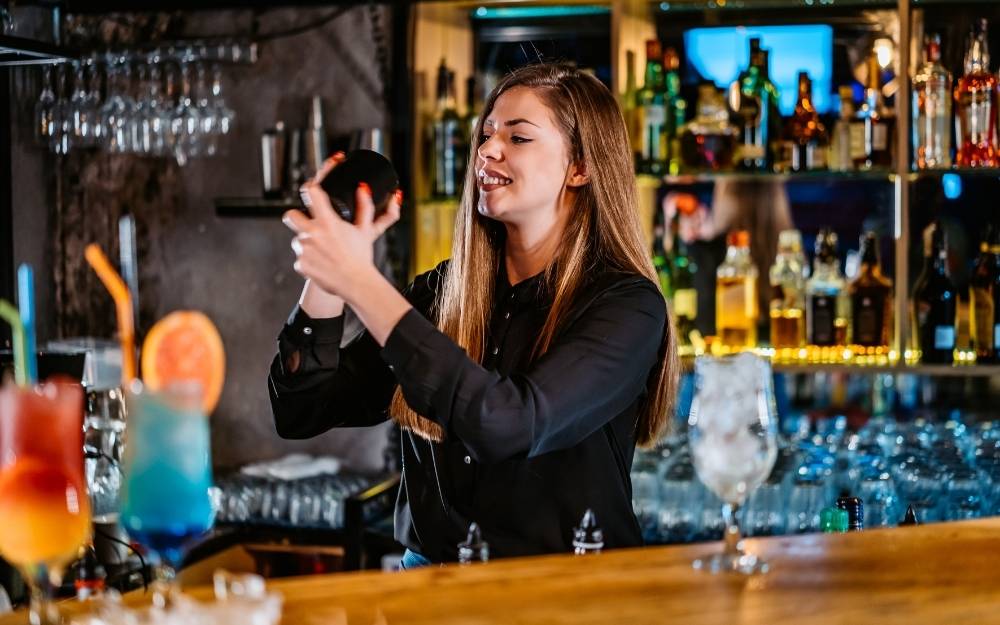
Technique Shapes the Final Experience
Technique affects texture, temperature, dilution, and aroma—often more than ingredients themselves.
Key techniques include:
- Stirring for clarity and silkiness
- Shaking for aeration and brightness
- Muddling for controlled extraction
- Straining for consistency and mouthfeel
Precision matters. Small variations in dilution or temperature can dramatically alter perception.
Ice Is an Ingredient, Not an Afterthought
Ice controls dilution and temperature—two of the most critical variables in cocktail quality.
Clear, dense ice melts slower, preserving structure. Poor ice clouds flavor, waters down balance, and shortens the drink’s lifespan.
Professional mixology treats ice with the same respect as spirits.
Presentation Completes the Experience
A great cocktail should look as refined as it tastes.
Glassware, garnish, and aroma all influence perception before the first sip. Visual discipline reinforces the expectation of quality and elevates the overall experience.
Presentation isn’t decoration—it’s communication.
Why Fundamentals Always Win
Modern mixology experiments boldly, but fundamentals anchor creativity. Without balance, flavor structure, and technique, innovation becomes chaos.
The most respected bars and cocktail programs master the basics relentlessly—then build upon them with confidence.
Final Thought
Mixology is a craft rooted in precision, patience, and restraint. When balance is respected, flavors are intentional, and technique is disciplined, cocktails transcend trends and become timeless.
That is the essence of great mixology.