
Great cocktails are not accidents. They are the result of structure, restraint, and intention. While trends come and go, the fundamentals of mixology remain constant. Understanding balance, flavor, and technique is what separates a drink that’s simply acceptable from one that’s truly memorable.
This guide breaks down the core principles every serious cocktail program—and every great bartender—relies on.
The Principle of Balance
Balance is the foundation of all successful cocktails. It’s the relationship between sweetness, acidity, bitterness, alcohol strength, and texture.
A well-balanced drink:
- Never tastes overly sweet or aggressively sour
- Allows the base spirit to remain present
- Finishes clean, not heavy or cloying
- Encourages the next sip
Classic cocktails endure precisely because their ratios are disciplined. When balance is right, complexity feels effortless.
Understanding Flavor Structure
Flavor in mixology is layered, not mixed randomly. Each element serves a role.
Base Spirit
The backbone of the cocktail. Its character—smoky, herbal, floral, bold—sets the tone.
Modifiers
Liqueurs, fortified wines, syrups, and infusions that add nuance and depth.
Acid
Citrus or acidic components brighten the drink and sharpen definition.
Bitters
Often overlooked, bitters provide structure and finish, tying flavors together.
Great cocktails don’t chase intensity. They build harmony.
Technique Shapes the Final Experience
Technique affects texture, temperature, dilution, and aroma—often more than ingredients themselves.
Key techniques include:
- Stirring for clarity and silkiness
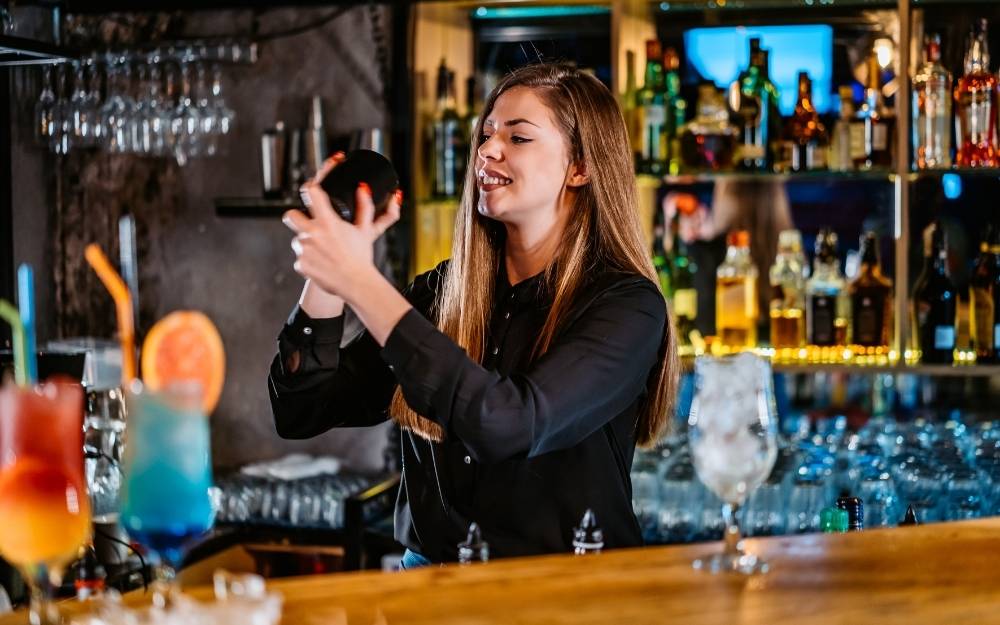
- Shaking for aeration and brightness
- Muddling for controlled extraction
- Straining for consistency and mouthfeel
Precision matters. Small variations in dilution or temperature can dramatically alter perception.
Ice Is an Ingredient, Not an Afterthought
Ice controls dilution and temperature—two of the most critical variables in cocktail quality.
Clear, dense ice melts slower, preserving structure. Poor ice clouds flavor, waters down balance, and shortens the drink’s lifespan.
Professional mixology treats ice with the same respect as spirits.
Presentation Completes the Experience
A great cocktail should look as refined as it tastes.
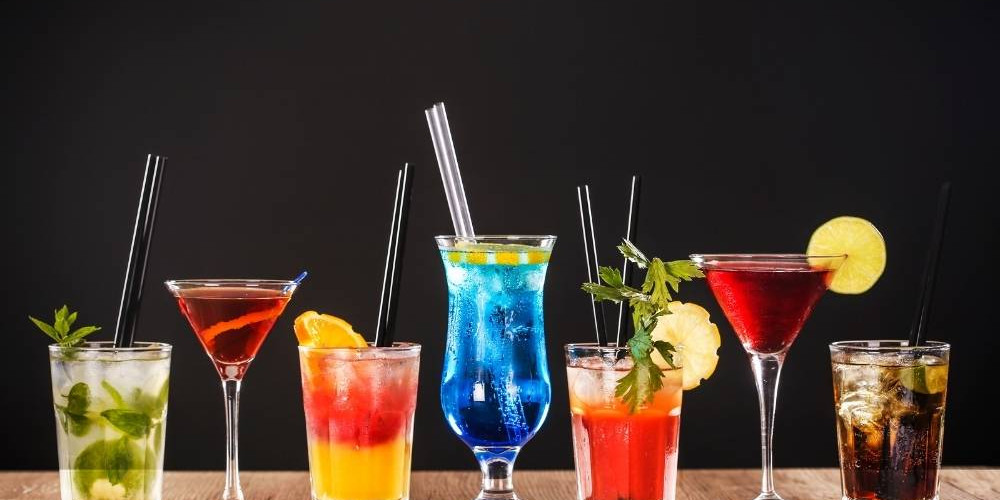
Glassware, garnish, and aroma all influence perception before the first sip. Visual discipline reinforces the expectation of quality and elevates the overall experience.
Presentation isn’t decoration—it’s communication.
Why Fundamentals Always Win
Modern mixology experiments boldly, but fundamentals anchor creativity. Without balance, flavor structure, and technique, innovation becomes chaos.
The most respected bars and cocktail programs master the basics relentlessly—then build upon them with confidence.
Final Thought
Mixology is a craft rooted in precision, patience, and restraint. When balance is respected, flavors are intentional, and technique is disciplined, cocktails transcend trends and become timeless.
That is the essence of great mixology.