
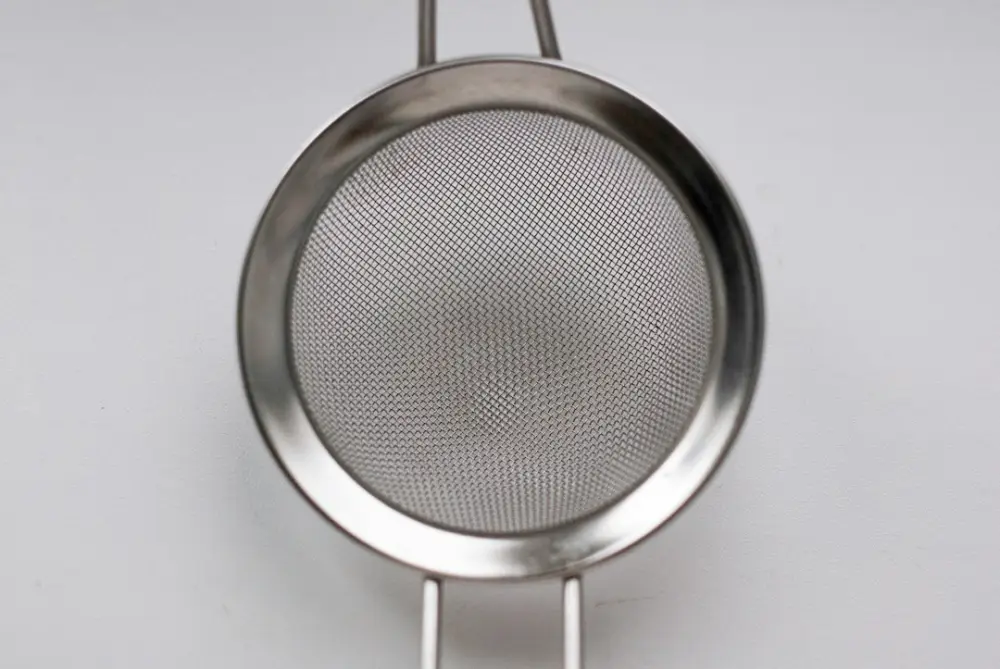
Bar equipment selection is the process of choosing specialized tools and machinery required to prepare, measure, and serve beverages with accuracy. In precise mixology, this involves sourcing high-quality jiggers, shakers, and strainers that ensure consistency across every drink. Proper selection balances durability, ergonomic design, and technical functionality to support a professional beverage program.
Precision in the bar environment is not merely about following a recipe; it is about the physical interaction between the bartender and the liquid. When a jigger features clearly etched internal markings or a shaker seals and releases without resistance, the workflow becomes seamless. This allows the practitioner to move past the mechanics of preparation and focus on the nuances of flavor development.
First steps for curating a precision kit
- Start by auditing your current inventory to identify any measurement discrepancies in your existing jiggers.
- The first step toward technical accuracy is to procure Japanese-style jiggers with etched internal markings for exact volume control.
- To begin optimizing your thermal management, source a high-density ice machine that produces clear cubes to minimize unwanted dilution.
- Next, select 18/8 stainless steel shakers and strainers to ensure both durability and consistent thermal transfer during the shake.
- Finally, organize your mise en place so that your most precise tools are positioned for maximum ergonomic efficiency.
Fundamentals of Bar Equipment Selection
The foundation of any serious bar program lies in the reliability of its tools. When selecting equipment, the primary metrics should be accuracy and repeatability. A jigger that is off by even a few milliliters can disrupt the delicate equilibrium of a drink, particularly in spirit-forward builds where there is no room for error. Choosing tools that feel balanced in the hand reduces physical strain during long shifts and ensures that every pour is controlled.
Investing in high-grade materials, such as 18/8 stainless steel, prevents corrosion from acidic ingredients like citrus and vinegar. This level of quality is essential for maintaining mixology fundamentals: balance, flavor and technique. For example, a heavy-weighted bar spoon provides the necessary momentum for a smooth stir, allowing the ice to move effortlessly through the glass without chipping or over-diluting the cocktail.
Essential Tools for High-Precision Mixology
High-precision mixology requires a specific kit that prioritizes exactness over aesthetics. The Japanese-style jigger is often preferred for its tall, narrow profile, which makes it easier to see when the liquid reaches the rim, reducing the margin of error compared to wider, shallower cups. Look for jiggers with internal markings for 10ml, 15ml, and 45ml increments to handle complex recipe builds.
Shakers also vary significantly in performance. The Boston shaker, consisting of two weighted tins, is the industry standard for its versatility and ease of cleaning. A weighted bottom on both tins provides better thermal mass, which helps chill the drink faster. For cocktails requiring a fine-textured foam, such as a Whiskey Sour, a high-quality Hawthorne strainer with a tight spring coil is necessary to catch ice shards and fruit pulp effectively. In contrast, a Julep strainer is the tool of choice for stirred drinks, offering a wider surface area that fits perfectly into a mixing glass.
Choosing Glassware for Specific Cocktail Profiles
Glassware is more than a vessel; it is a functional component that dictates how a drink is perceived and consumed. The shape of the glass influences the aromatics and the temperature retention of the cocktail. For instance, a Nick & Nora glass is often superior to a traditional large-format martini glass because its inward-curving rim concentrates the bouquet of the spirits while being less prone to spills.
When selecting glassware for a program, consider the weight and the thickness of the rim. A thin rim allows the liquid to transition smoothly onto the palate, which is particularly important for delicate, wine-based cocktails. Conversely, a heavy-bottomed rocks glass provides stability and retains coldness when serving drinks over a single large clear ice cube. Having a variety of stems—such as coupes for shaken drinks and highballs for carbonated builds—ensures that the physical structure of the drink matches its intended profile.
Temperature Control and Refrigeration Basics
Temperature is a critical variable that is often overlooked during equipment selection. Precise mixology requires ice that is hard, dry, and clear. This necessitates high-quality ice machines, such as those produced by Hoshizaki, which create cubes with higher density and slower melt rates. If the bar program focuses on high-end spirits, a dedicated clear ice freezer or a directional freezing system may be required to produce artisanal blocks.
Refrigeration units must be capable of maintaining consistent temperatures even during peak hours when doors are frequently opened. For a precise program, drawer-style refrigerators are often more efficient than reach-ins, as they allow for better organization of house-made syrups, infusions, and garnishes. Keeping glassware chilled is another essential step; a dedicated glass froster or a blast chiller ensures that cocktails served "up" stay at the optimal temperature from the first sip to the last.
Stocking Your Bar for Maximum Efficiency
The physical layout of the bar—the "mise en place"—is what enables a bartender to execute complex drinks with speed. Efficiency begins with the speed rail, which should house the most frequently used spirits within arm's reach. Organizing the station based on the frequency of use reduces unnecessary movement and minimizes the time a drink spends in the shaker or mixing glass.
When stocking the bar, it is helpful to remember that drink structure matters more than recipes. Grouping ingredients by their structural role—modifiers, base spirits, and acids—allows for a more intuitive workflow. For example, placing all bitters and tinctures in a centralized rack allows the bartender to adjust the seasoning of a drink without searching through the back bar. This logical arrangement of equipment and ingredients is the hallmark of a professional environment.
Modern Technology and Bar Management Systems
Technology has introduced new levels of precision to the modern bar. Digital scales are now common for batching syrups and cordials by weight rather than volume, which accounts for the varying densities of sugars and fruits. For advanced programs, a refractometer can be used to measure the Brix level (sugar content) of citrus juice or house-made liqueurs, ensuring that the sweetness remains consistent regardless of the season or the ripeness of the fruit.
Inventory management software is another critical piece of equipment. These systems track pour costs and depletion rates in real-time, allowing the manager to make data-driven decisions about stocking and menu pricing. While traditional methods rely on manual counts, modern systems integrated with POS hardware provide a level of accuracy that helps maintain the financial health of the bar while ensuring that high-demand items never run out mid-service.
Maintaining Equipment for Long-Term Performance
The longevity of bar equipment is directly tied to its maintenance schedule. Stainless steel tools should be hand-washed or cleaned in high-temperature dishwashers that do not use abrasive chemicals, which can pit the metal over time. Glassware requires specific racks to prevent chipping and should be polished with lint-free microfiber cloths to remove hard water spots and fingerprints.
Mechanical equipment, such as glass washers and ice machines, requires regular descaling and filter changes to operate at peak efficiency. Even small items like the gaskets in a soda gun or the springs in a Hawthorne strainer need periodic inspection and replacement. At Skybar25, we view these maintenance tasks as part of the craft. Proper equipment selection is only the beginning; the true test of a precise mixology program is the care and discipline applied to the tools used every day to uphold the standards of curated cocktail culture.