
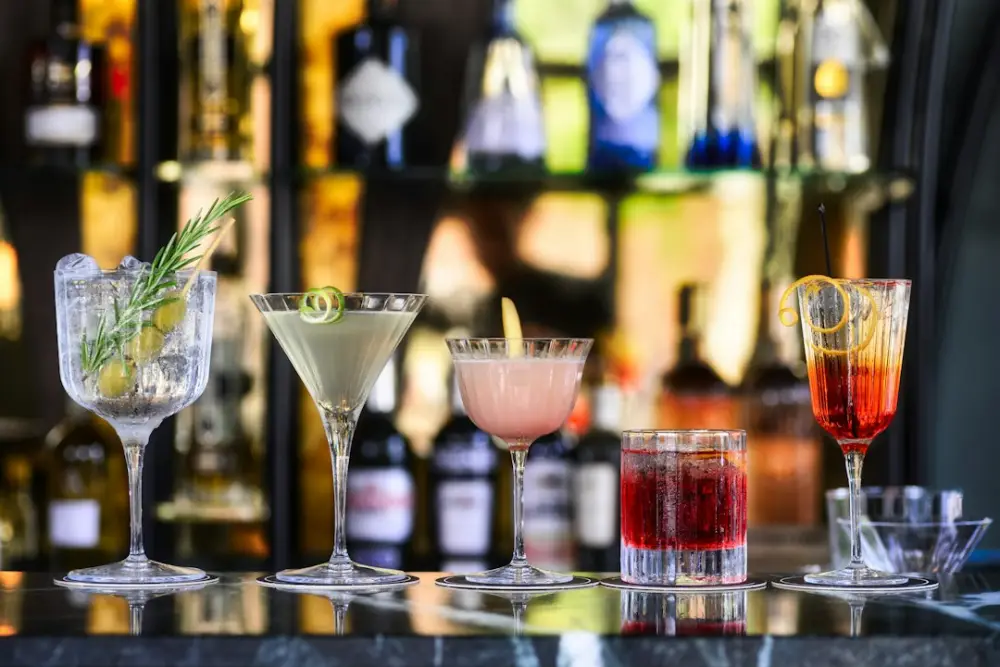
Alcohol-free cocktail techniques are specialized mixology methods used to create complex, balanced drinks without ethanol. These techniques prioritize building depth through botanical extractions, acidity, and mouthfeel—often using ingredients like verjus, shrubs, or saline—rather than simply removing alcohol from classic recipes, resulting in sophisticated beverages that offer a comparable sensory experience to traditional cocktails.
Developing a high-end alcohol-free program requires a shift in perspective. Instead of viewing the absence of spirits as a deficit, successful bartenders treat it as an opportunity to highlight raw ingredients. By focusing on extraction and concentration, you can achieve the same level of sophistication found in a standard cocktail menu without relying on the heat of ethanol.
Beyond Classic Substitutions
Early attempts at non-alcoholic drinks often relied on 1:1 substitutions, such as replacing gin with a botanical water or rum with a spiced syrup. While these are functional, they frequently fail because ethanol acts as a solvent and a flavor carrier. When you remove the spirit, you lose the structural integrity of the drink. Understanding mixology fundamentals: balance, flavor and technique is the first step toward correcting this imbalance.
Modern mixology focuses on reconstruction. If a classic cocktail relies on the bite of rye whiskey, a modern alcohol-free version might use a combination of black tea tannins for astringency and ginger for physical heat. This approach ensures the drink hits the same sensory markers as its alcoholic counterpart. For example, a high-end bar might use a shrub—a vinegar-based syrup—to provide both the acidity usually found in citrus and a fermented complexity that mimics the depth of aged spirits.
Building Mouthfeel Without Spirits
One of the greatest challenges in zero-proof mixology is replicating the viscosity of alcohol. Ethanol has a higher density than water, providing a "weight" on the palate. Without it, drinks can feel thin or watery. To solve this, bartenders use various thickening agents and infusion methods. Glycerin, gum arabic, and xanthan gum are common tools in the modern lab, used in minute quantities to add silkiness to syrups and bases.
Tannins also play a critical role in mouthfeel. Over-steeped teas, particularly Pu-erh or Lapsang Souchong, provide a drying sensation on the tongue that mimics the finish of a dry wine or a spirit-forward cocktail. Another effective method is the use of fats. Fat-washing a non-alcoholic distillate with coconut oil or cocoa butter adds a luxurious texture that lingers, providing the structural support necessary for a drink to feel complete. It becomes clear that drink structure matters more than recipes when you are working with ingredients that lack the natural body of alcohol.
Balancing Non-Alcoholic Flavors
In a standard cocktail, alcohol often masks minor imbalances. In an alcohol-free drink, every ingredient is exposed. Precision is mandatory. The balance between acid, sugar, and bitterness must be calibrated to a higher degree of accuracy. Many professionals are moving away from standard lemon and lime juice in favor of verjus, the pressed juice of unripened grapes. Verjus offers a softer, more nuanced acidity that integrates better with delicate botanicals.
Saline solution is another essential tool. A few drops of a 10% salt solution can suppress bitterness and enhance floral or fruity notes, making the flavors "pop" without the need for extra sugar. When building a drink, consider the following order of operations:
- Establish the base flavor (e.g., a cold-brew hibiscus tea).
- Add the acid component (e.g., verjus or a champagne vinegar shrub).
- Introduce the sweetener (e.g., a honey syrup or oleo-saccharum).
- Adjust the texture (e.g., a dash of saline or a tannin-rich infusion).
Advanced Profiles: Sound & Fury and Puppy Pose
Advanced alcohol-free templates often move away from the fruit-forward profiles of the past. The "Sound & Fury" profile, for instance, focuses on aggression and intensity. It utilizes ingredients like smoked salt, capsicum (chili) tinctures, and bitter cinchona bark to create a drink that demands attention. It is designed for those who miss the "burn" of a neat spirit. By using a heavy dose of ginger juice and a lapsang souchong reduction, you can create a drink that feels powerful and complex.
Conversely, the "Puppy Pose" profile focuses on softness and relaxation. This is a botanical-heavy structure using chamomile, lavender, and white balsamic vinegar. The goal here is not to mimic a specific spirit but to create a sensory experience of calm. The use of a light saline solution in a Puppy Pose variation helps the floral notes stay crisp rather than becoming soapy, demonstrating how technical precision can elevate even the most delicate ingredients.
Crafting Complex Palates with No New Friends
The "No New Friends" profile is a modern take on the Italian aperitivo culture, focusing on bitterness and herbaceousness without the sugar load of traditional red bitters. To achieve this, mixologists look toward raw bittering agents like gentian root, wormwood, and dandelion root. These are often infused into a non-alcoholic base, such as a dealcoholized wine or a high-quality sparkling cider.
The complexity in a No New Friends style drink comes from the layering of different types of bitterness. A sharp, medicinal bitterness from gentian paired with a bright, citrusy bitterness from grapefruit peel creates a multi-dimensional palate. When served with a splash of high-carbonation soda water, the bubbles help carry these heavy aromatic molecules to the nose, providing a sophisticated drinking experience that rivals any classic Negroni or Americano.
Refining Your Zero-Proof Skills at Home
Improving your alcohol-free drinks at home requires the same discipline as traditional bartending. Start by pre-calculating your dilution. Since you aren't fighting the heat of alcohol, you may need less dilution than a standard drink; consider stirring with larger ice cubes or using chilled glassware to maintain temperature without over-thinning the liquid. Experiment with making your own botanical syrups by macerating herbs in sugar before adding water, which preserves the volatile oils that are often lost in heat-based syrups.
At Skybar25, we view these alcohol-free cocktail techniques as an essential evolution of the craft. Whether you are building a drink based on the Sound & Fury profile or refining a delicate floral infusion, the focus remains on the core principles of mixology fundamentals and curated cocktail culture. By mastering mouthfeel, acidity, and the strategic use of bitters, you ensure that every drink you serve—regardless of its alcohol content—is a testament to structure and intent.